
These are also for you to practice writing :
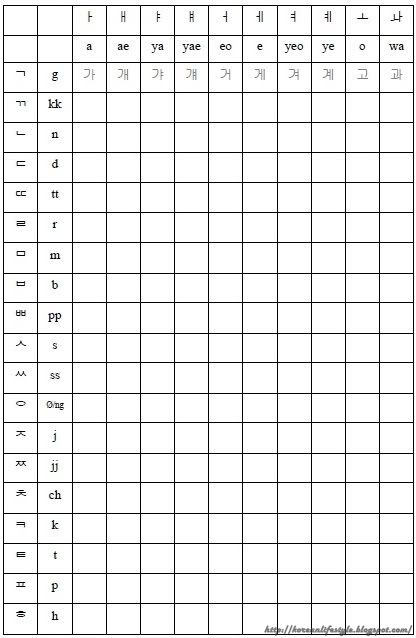
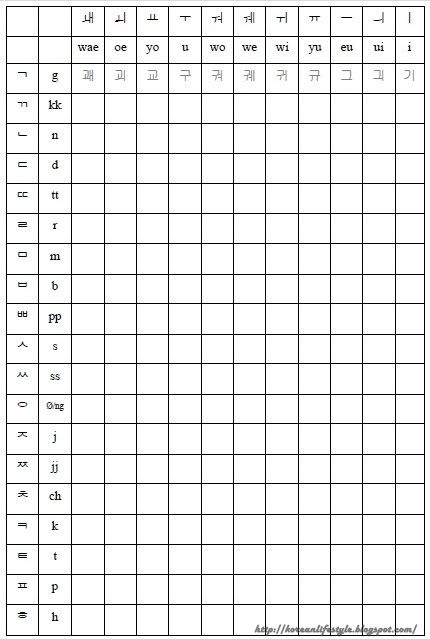
Want a better view? Download this note :


Expressions | Sound | Meaning |
책 펴세요. | Chaek pyeoseyo. | Open your book. |
잘 들으세요. | Jal deureuseyo. | Listen carefully. |
따라 하세요. | Ttara haseyo. | Repeat after me. |
읽어 보세요 | Ilgeo boseyo | Please read. |
대답해 보세요 | Daedaphae boseyo. | Answer (the question). |
써 보세요. | Sseo boseyo. | Please write it. |
알겠어요? | Algesseoyo? | Do you understand? |
네, 알겠어요. | Ne, algesseoyo. | Yes, I understand. |
[아뇨] 잘 모르겠는데요. | [Anyo] jal moreugenneundeyo. | No, I don’t really understand. |
질문 있어요? | Jilmun isseoyo? | Do you have any questions? |
네, 있는데요. | Ne, inneundeyo. | Yes, I have (a question). |
[질문] 없는데요. | [Jilmun] eomneundeyo. | I don’t have (any questions). |
천천히 [말씀]해 주세요. | Cheoncheonhi [malsseum]hae juseyo. | Please speak/say it slowly. |
잊어버렸는데요. | Ijeobeoryeonneundeyo. | I’ve forgotten. |
“Test” 한국어로 뭐예요? | “Test” hangugeoro mwoyeyo? | How do you say “test” in Korean? |
“시험”이라고 해요. | “Siheom”irago haeyo. | You say “siheom”. |
한국말로 하세요. | Hangungmalro haseyo | Please say it in Korean. |
다시 한번 해 보세요. | Dashi hanbeon hae boseyo | Try it again. |
맞았어요. | Majasseoyo. | That’s correct. |
틀렸는데요. | Teulryeonneundeyo. | That’s not right. |
오늘은 이만 하겠어요. | Oneureun iman hagesseoyo. | We’ll stop here today. |
Spelling | Pronounciation | Sound | Meaning |
좋아요 | 조아요 | jo-a-yo | okay or like it |
전화 | 저놔 | jeo-nwa | phone |
감히 | 가미 | ka-mi | dare |
말해 봐 | 마래 봐 | ma-rae-bwa | tell me |
Softer | Harder | Sound |
ㄱ | ㅋ | k(h) |
ㄷ | ㅌ | t(h) |
ㅂ | ㅍ | p(h) |
ㅈ | ㅊ | c(h) |
Spelling | Pronounciation | Sound | Meaning |
축하 | 추카 | chu-kha | celebrate |
좋다 | 조타 | jo-tha | like it |
입학 | 이팍 | i-phak | admissions |
그렇지 | 그러치 | ke-reo-chi | that’s right |
Untensed | Sound | Tensed | Sound |
ㄱ | k/g | ㄲ | kk |
ㄷ | d/t | ㄸ | dd |
ㅂ | b/p | ㅃ | bb |
ㅅ | s | ㅆ | ss |
ㅈ | j | ㅉ | jj |
Spelling | Pronunciation | Sound | Meaning |
학교 | 학꾜 | hak-kkyo | school |
식당 | 식땅 | shik-ddang | restaurant |
국밥 | 국빱 | kuk-bbap | soup |
책상 | 책쌍 | chaek-ssang | desk |
숙제 | 숙쩨 | suk-jje | homework |

highlight, press ctrl+c and paste to your site


